
Starting school is one of the biggest milestones in early childhood. As parents, it’s natural to wonder if your little one is truly “ready.” The good news is that readiness is less about memorizing numbers and letters, and more about helping your child feel confident, independent, and curious. In this post, we’ll explore simple, everyday ways to get your child ready for kindergarten without adding stress to your family routine.
Building independence through daily routines
Small self-help skills make a big difference in the classroom. Encourage your preschooler to practice:
- Putting on their shoes and coat
- Washing their hands before meals
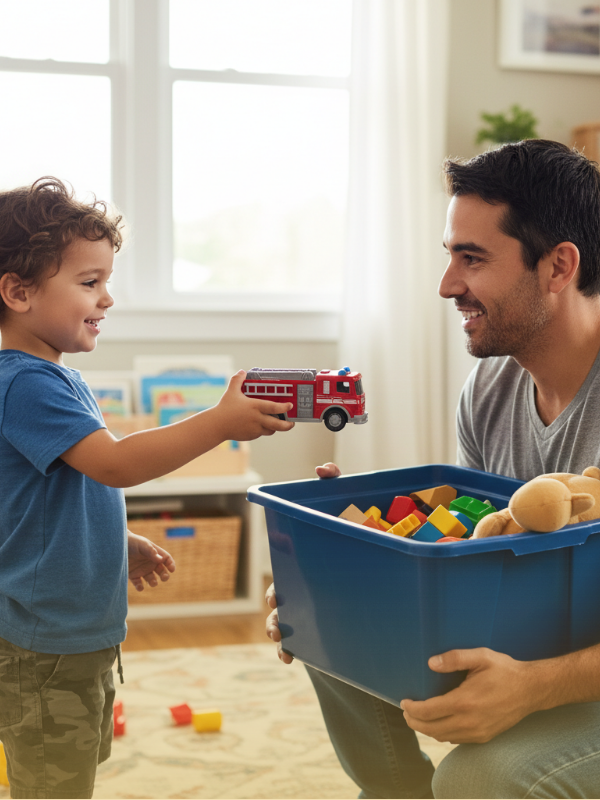
- Cleaning up toys after play
These routines foster confidence and prepare your child to take part in group activities at school. The American Academy of Pediatrics notes that self-care skills like these are key parts of kindergarten readiness (American Academy of Pediatrics, 2019). For more practical age-based tips, check out Chores Your Kids Can Handle at Every Age.
Try this: Invite your child to pack their own backpack for outings, even if it’s just with a snack and a toy.
Reflect: How does your child respond when given responsibility for small tasks?
Social skills matter more than worksheets
Being ready for kindergarten also means knowing how to share, take turns, and follow directions. Playdates, library story hours, or even games at home give children chances to practice these skills in a low-pressure way. Research shows that early social-emotional development is linked to later academic success (Denham et al., 2012).
You can also find guidance in Stress Relief Tips for Overwhelmed Parents, which helps parents model calm coping strategies kids can imitate.
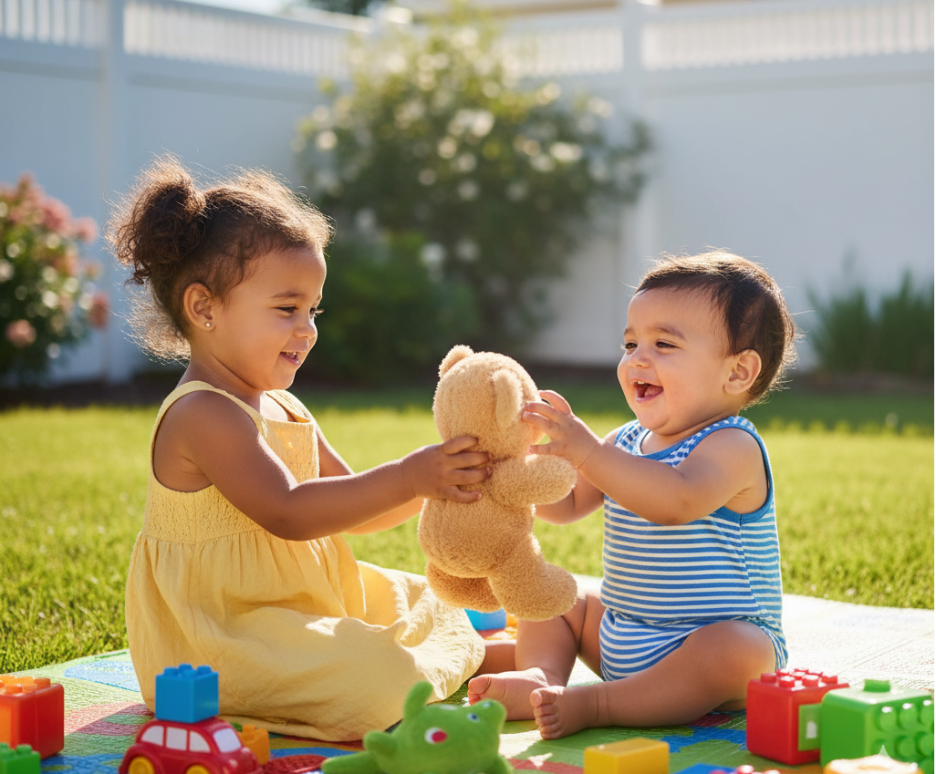
Try this: Play simple board games that involve turn-taking and following rules.
Reflect: When has your child surprised you with kindness or cooperation?
Nurturing curiosity through reading and play
Reading together daily is one of the strongest predictors of school success. Keep it fun—explore picture books, ask questions about the story, and let your child “read” by retelling what they see in the pictures. Play also builds early math and literacy skills.
Building towers, sorting blocks by color, or singing rhymes are all ways to get your child ready for kindergarten while keeping joy at the center of learning. See How to Support Reading Fluency at Home Daily for more inspiration.
Try this: Ask your child to spot letters from their name on street signs or grocery labels.
Reflect: What playful moments have sparked your child’s curiosity recently?
Frequently Asked Questions (FAQs)
1. What skills should my child have before kindergarten?
Focus on independence (like dressing themselves), social skills (sharing, following directions), and curiosity (asking questions, showing interest in books).
2. Do I need to teach my child to read before school starts?
Not at all. Reading together and introducing letters is helpful, but teachers expect to build these skills during kindergarten.
3. How can I ease my child’s nerves about starting school?
Talk positively about school, visit the classroom if possible, and try small shifts for coping with anxiety to help your child feel calm and secure.
Supporting parents on the Journey
Remember, there’s no single checklist that defines readiness. Each child develops on their own timeline. What matters most is creating a safe, engaging environment where your child can explore, grow, and feel proud of their progress. Parent Pathways Academy provides parents with parenting guides and activities, morning routines that work, and community guidance to make the transition smoother for the whole family.
With the right tools and encouragement, you can confidently get your child ready for kindergarten while enjoying this exciting stage of growth.
References
American Academy of Pediatrics. (2019). School Readiness. Pediatrics, 144(2), e20191766. https://doi.org/10.1542/peds.2019-1766
Denham, S. A., Bassett, H. H., & Zinsser, K. M. (2012). Early childhood teachers as socializers of young children’s emotional competence. Early Childhood Education Journal, 40(3), 137–143. https://doi.org/10.1007/s10643-012-0504-2